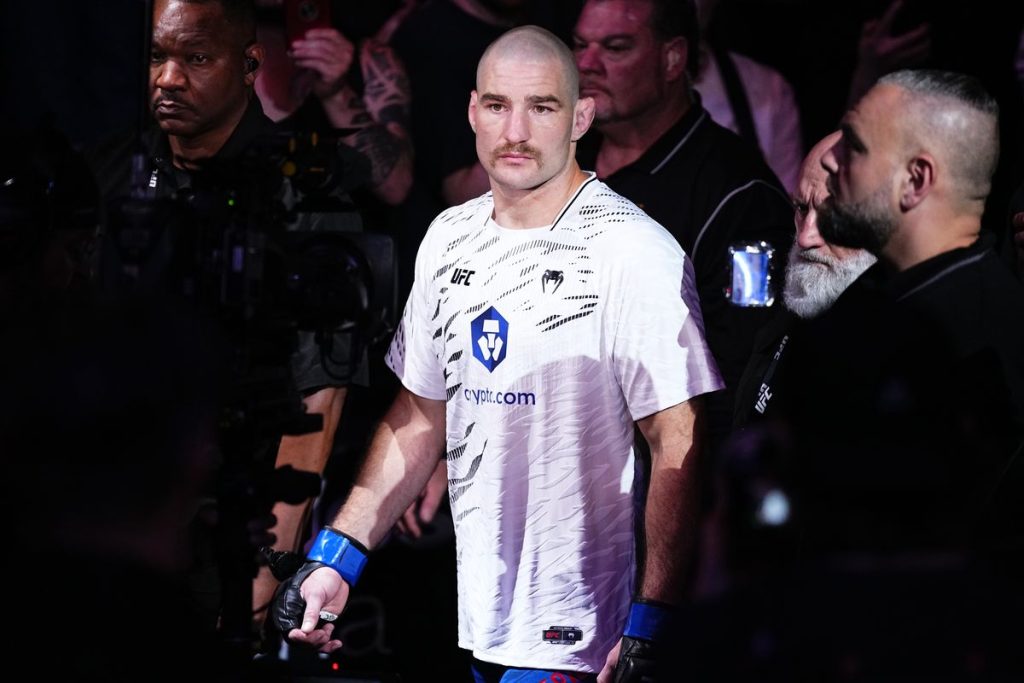
Sean Strickland blasts UFC over fighter pay. Sean Strickland is taking aim at the UFC’s fighter-pay structure, arguing that inadequate compensation forces even accomplished champions to keep fighting long after they should consider walking away.
The two-time UFC middleweight champion has renewed his criticism of the promotion, claiming that fighters are not paid enough to retire comfortably after dedicating years of their lives to the sport. In a video shared on social media, Strickland argues that the UFC helps fighters build their legacies but does not necessarily reward them enough financially to leave the sport on their own terms. He believes this can push former champions to continue competing until repeated defeats overshadow their achievements.
Strickland believes the problem becomes especially visible when former champions begin losing regularly after years of dominating their divisions. He argues that fans often wonder why once-great fighters suddenly decline, without considering the financial pressures that may keep them competing. According to Strickland, fighters can spend their best years building impressive records and becoming household names, only to find themselves returning to the Octagon because they have not earned enough to comfortably walk away.
His criticism reflects a long-running debate over how the UFC compensates its athletes and whether elite fighters receive a fair share of the revenue they help generate.
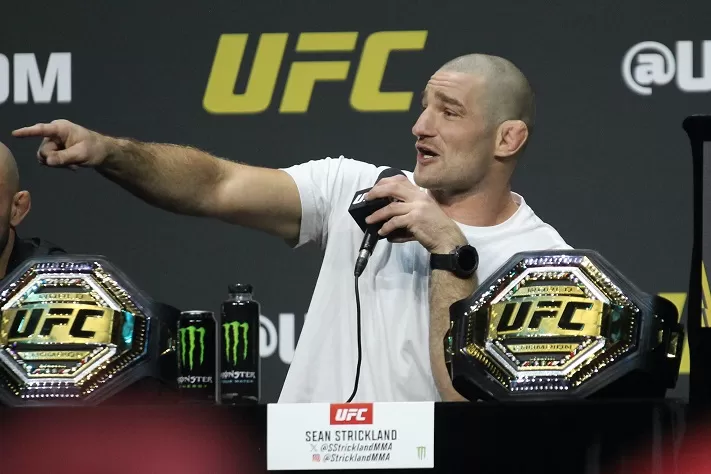
“But let me tell you something about the UFC and I’m going to say the quiet part out loud that nobody says,” Strickland said. “You’ll go and you’ll watch these champions, these savages of the sport, they run the division, and they take an L, and they come back and they just fight like three or four times, they get f*cking flatlined. Like, dude, what happened to you? And you realize the UFC happened. They just don’t care anymore.
“The UFC, they don’t pay you enough money to walk away like, ‘Man, life is f*cking good. I’ve dedicated my life to this, I put the time in this.’ The UFC builds a legacy, they keep you right here, but they build a legacy and they don’t pay you enough so you have to come back and ruin your legacy. I just don’t want to do that. It’s like this repackaged McDonald’s straight to the head. I’m not into it anymore.”
Strickland’s latest comments follow his complaints about the reported earnings of former UFC champion Conor McGregor and British boxer Conor Benn. He has questioned why McGregor can reportedly earn around $30 million for a fight while other UFC champions receive substantially less. He has also pointed to reports that Benn secured a lucrative deal with Zuffa Boxing, the boxing venture associated with UFC CEO Dana White. The reported figures have intensified Strickland’s frustration over the differences between what prominent boxers can earn and what UFC fighters receive. However, the figures circulating in media reports are not a complete picture of either athlete’s total earnings.
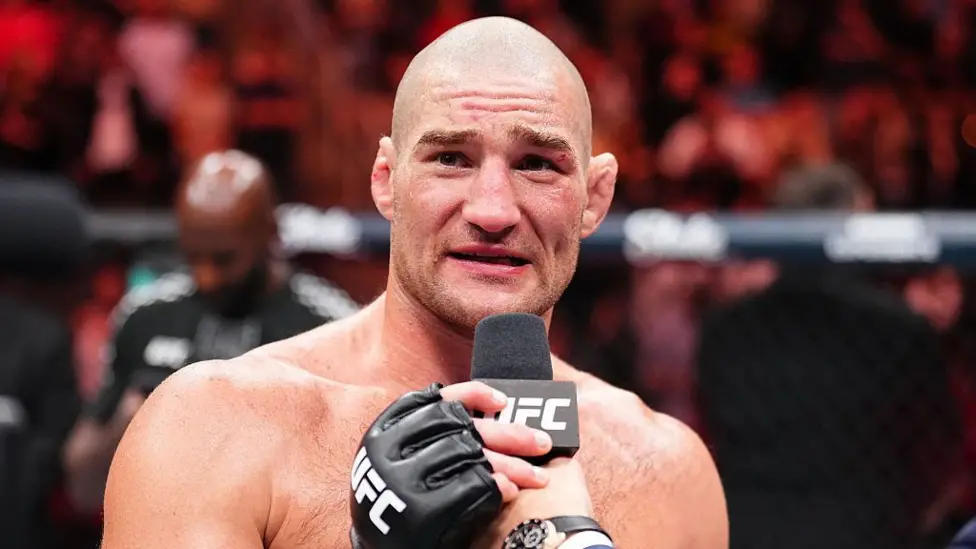
Strickland maintains he still wants to fight, but his primary goal is going where he will be best compensated, and if that means pursuing novelty boxing matches with the likes of Paul, then so be it.
“I want to fight, I want to box, I want to go win a boxing title, so we’re trying to work that out, but if the UFC says, ‘Hey, we’re not going to do that. We’re going to make you fight,’, well, I’m going to stick and move,” Strickland said. “You guys are going to boo. Hell, I’ll f*cking boo with you while I’m doing it. Just stick and move, collect my check and then move on. I mean, hell, here we are.”
Strickland’s criticism adds to the wider debate over fighter compensation, retirement security and the financial risks of professional MMA. While the UFC maintains that athlete compensation has increased over the years, critics continue to question how much of the sport’s overall revenue reaches the fighters themselves. The debate has gained renewed attention following the reported sums involved in major boxing agreements.