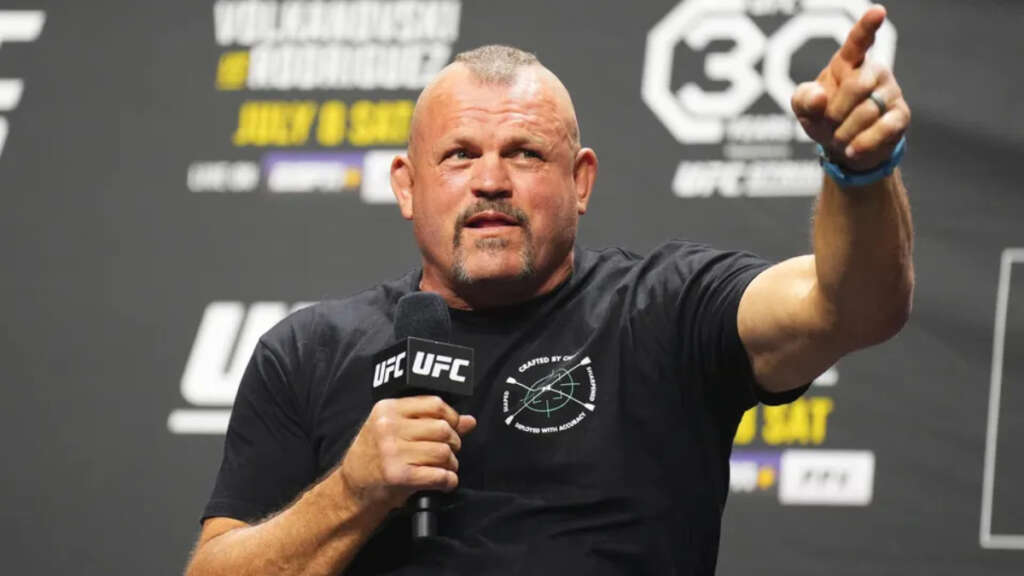
UFC Hall of Famer Chuck Liddell knows the concerns are out there. Over the years, fans have questioned his health, especially after clips of him speaking circulate online and spark debates about the long-term effects of his fighting career. However, Liddell says the full story is far more complicated and not all of it traces back to brain trauma.
There’s no denying Liddell’s 30-fight career took a toll. One of the most recognizable faces of the UFC during its rise, Liddell ruled the light heavyweight division from 2005 to 2007 and built a reputation on violent knockouts and all-out wars. Those battles eventually caught up to him, particularly late in his career, when he suffered six knockout losses in his final seven fights.
Still, when it comes to concerns about his speech and mental sharpness, Liddell points elsewhere.
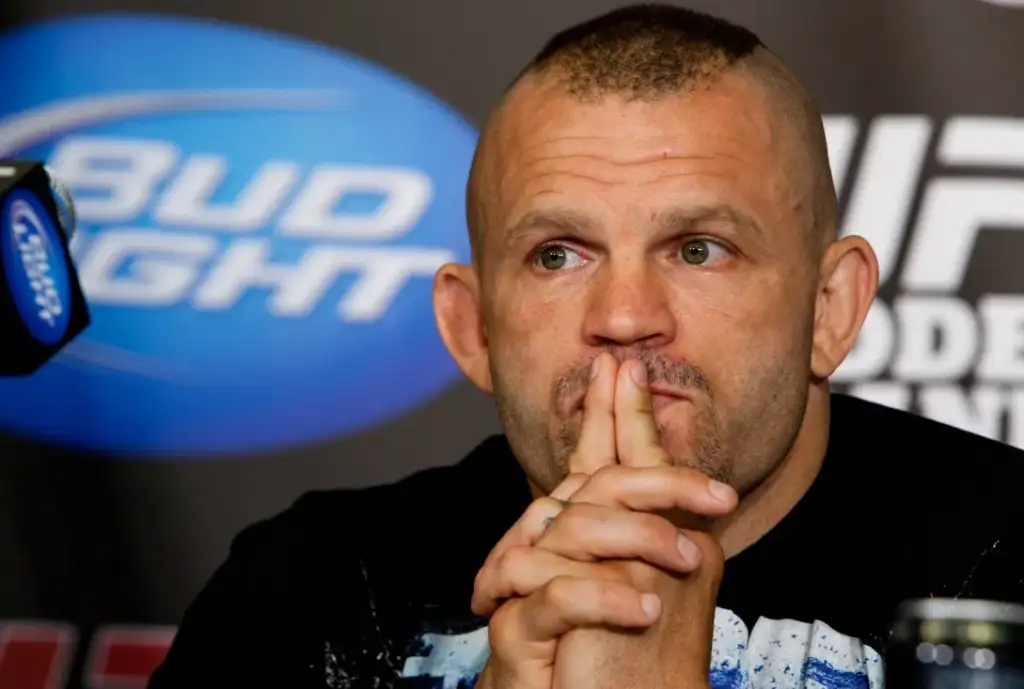
Speaking with Dominick Cruz on the *Love & War* podcast, Liddell explained that much of what fans notice today stems from a serious neck injury and subsequent surgery following his 2018 trilogy fight with longtime rival Tito Ortiz.
“It’s hard for me because a lot of people—I’ve seen people show, like, videos of me before and after,” Liddell said. “But the problem is I damaged my vocal cords and my neck.
“It was either from the surgery or after it. I went in, they’re like, ‘You have damaged one of your—You have three muscles in there and one of them is kind of not working. So the other two will take over for it. So that changes your voice.’”
Liddell also pushed back against social media edits that stitch together awkward moments to suggest something more serious.
“I’ve seen those and they’ve done a couple with me where it’s like I’m talking to someone and they pick a moment where I’m like, ‘Wait, hold on, I forgot, um,’ and they make that look like, ‘Oh, he’s got a problem with his brain,’” Liddell said. “But it is what it is.”
While Liddell doesn’t deny the physical wear and tear that comes with a career like his, he admitted that life after fighting presents its own mental challenges. For him, the biggest struggle has been replacing the intensity and focus that once went into preparing for fights.
“I learned that for me, I like hitting the bag and sparring and wrestling, jiu-jitsu—something competitive that way,” Liddell explained. “It helps me stay calm. It’s the only time in the day my brain shuts off and I just work on beating whoever’s in front of me.”
That realization became clear after a freak accident forced him into inactivity.
“I didn’t really realize that until I had three hand surgeries and didn’t get to hit a bag for about a year,” Liddell said. “It was from a freak accident where a piece of glass cut both flexor tendons. It was crazy.
“So I had a year where I didn’t hit the bag and I realized, ‘Why am I so on edge?’ And then as soon as I could start hitting the bags again, I was like, ‘Oh.’ That release—shutting your brain off and working on something—that makes everything so much easier.”
For Liddell, staying active remains the key. While fans may continue to debate the lasting effects of his legendary career, the former champion insists there’s more to his story than what a few viral clips suggest.