For years, African Knockout (AKO) stood as one of the biggest stages for mixed martial arts on the continent. It gave African fighters, especially Nigerians. A platform when few others would, built stars from the ground up and helped keep the dream of a thriving African MMA scene alive.
However in 2026, the landscape looks very different. With PFL Africa finally up and running, the question many fans are quietly asking is whether AKO can survive the rise of a promotion that offers bigger exposure, stronger financial backing and a pathway to the global stage.
One of the clearest signs of the shift is the movement of fighters. Several athletes who once formed the backbone of AKO’s roster have either signed with PFL Africa or moved on to other international promotions.
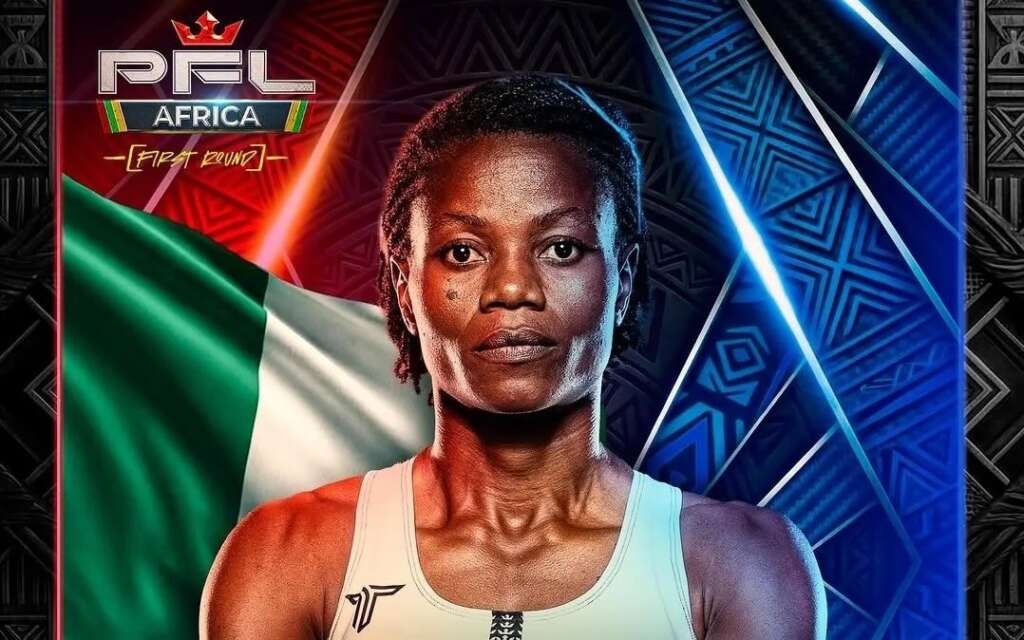
Fighters such as Yahaya Yahuza, Juliet Ukah, Jean Do Santos, Jordan Fongno, Styve Ngono and Richard Muzaan have all found themselves competing under the PFL Africa banner or on PFL-affiliated cards.
Others have sought opportunities elsewhere. Some former AKO standouts have taken their talents to UAE Warriors, while others have appeared under the African MMA League (AML) banner, further thinning the talent pool that once made AKO a must-watch promotion.
The result is simple: many of the fighters who helped build AKO’s reputation are no longer fighting there. Talent migration alone would not be enough to raise concerns if AKO remained consistently active, however, the numbers tell a worrying story. AKO staged just five events in 2025, including AKO 10, AKO 11 and AKO 12.
More concerning is that the promotion has yet to stage an event this year, while PFL Africa has already held multiple tournaments and showcase events across the continent.
In combat sports, inactivity is dangerous. Fighters need opportunities to compete and fans need events to follow. Sponsors need visibility. When a promotion disappears from the calendar for extended periods, competitors quickly fill the vacuum and right now, PFL Africa appears to be doing exactly that.
The reality is that PFL Africa is operating on a completely different scale. Backed by the Professional Fighters League and launched with Francis Ngannou as a key figure, the promotion was designed to become Africa’s premier MMA league. It offers tournament formats, international broadcasting and a pathway into the wider PFL ecosystem.
For an ambitious African fighter, the choice becomes obvious,why remain in a regional promotion when a win in PFL Africa could lead to international recognition and bigger opportunities? That is not a knock on AKO. It is simply the reality of how combat sports work.
Despite all of this, declaring AKO dead would be premature. Every major MMA ecosystem needs developmental promotions.
The UFC still relies on regional organizations to develop talent. The same applies to PFL. Not every African fighter is ready for PFL Africa, UAE Warriors or other international promotions.
There will always be a need for organizations that discover talent, build prospects and provide competitive experience.
The question is whether AKO wants to remain a destination promotion or embrace a new role as a talent incubator.
What do you think: Is PFL Africa the beginning of the end for AKO, or can Africa’s former MMA powerhouse reinvent itself and remain a major player in the sport?