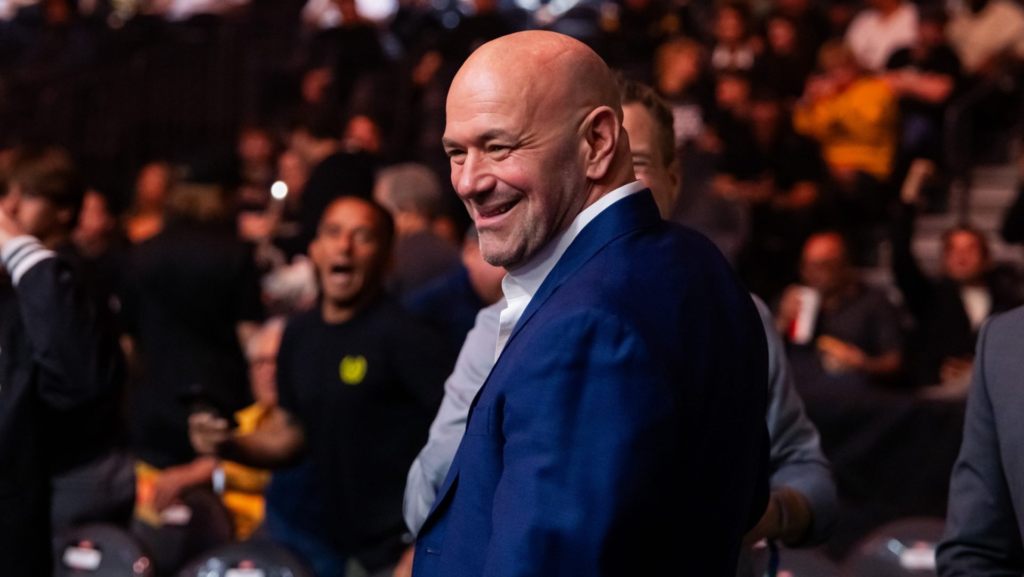
UFC CEO Dana White helped turn the UFC into a global powerhouse. For more than two decades, he stood at the center of the promotion’s growth. However, according to Matt Brown, the Dana White fighters used to negotiate with is no longer the same figure handling contracts and matchmaking behind the scenes.
Since the UFC sold to Endeavor for just over $4 billion in 2016, White’s role has changed dramatically. During testimony in the ongoing UFC antitrust lawsuit, White confirmed that he no longer manages fighter contracts or takes an active role in most matchmaking decisions. He now focuses on production, sponsorships, endorsements, and broader business strategy.
Matt Brown says that shift became clear almost immediately after the buyout.
“After the buyout, this is just my own experience, I never talked to Dana or anybody other than Sean Shelby after that,” Matt Brown said. “I never spoke to Dana on the phone about anything honestly, which was kind of surprising. I think it just got big, too, right? There’s so many fighters and everybody’s asking for something.”
Brown believes the UFC simply outgrew the old system. With more than 600 fighters on the roster, it became unrealistic for White to handle individual requests and negotiations.
“I can’t imagine dealing with fighters much less 600-plus fighters,” Matt Brown added. “Every single person asking for something and trying to get the next fight. That’s why they always liked me. Dana could call me and be like ‘this is who we want you to fight’ and [I’d say] OK.”
Earlier in his career, especially during his run toward welterweight title contention, Matt Brown dealt directly with White. But that access only came once he cracked the top tier of the division.
“When I was kind of coming up and in my prime, so to speak, making a run for the title and everything, I only spoke to Dana personally when I started getting into those top 10, top five fights,” Brown explained. “Everything below that, there wasn’t a whole lot of talking to Dana about it. But then when I got up there, now I wasn’t even talking to Joe Silva anymore. It was just straight to Dana.”
One of Brown’s most memorable interactions with White came in 2016, shortly before the sale.
“I negotiated with Dana once and that was in 2016,” Matt Brown revealed. “I went to his office, he showed us around — it was me and my wife at the time — showed us his Ferraris and the office. We finally sat down and got to the meeting. I said, ‘Dana, this is what I think I’m worth,’ and he said, ‘OK.’ I was like, is that it? Maybe I should have asked for more. But that was it.”
After Joe Silva stepped away following the sale, Sean Shelby and Mick Maynard took over matchmaking duties, working alongside UFC chief business officer Hunter Campbell. According to Matt Brown, those were the people he dealt with from that point forward, not White.
Even UFC star Sean O’Malley has confirmed a similar experience. Despite his championship status and drawing power, O’Malley has said his contract negotiations went through Shelby and later Campbell, not White. That lines up exactly with what Matt Brown described.
Still, Brown gives White credit for staying involved at all. After reportedly earning a nine-figure payday from the Endeavor deal, White could have walked away.
“When you sell for [$4 billion] and Dana got a few hundred million out of that, you’re supposed to chill,” Matt Brown said. “What Joe Silva did is kind of what you expected everybody to do, take your money and go hide on a yacht somewhere. The fact that he’s even still doing anything is kind of surprising. In my opinion, props to him. That shows the love and passion he does have for doing this. I respect him for that.”
White may no longer handle day-to-day contracts, but he remains deeply involved in high-level decisions. He recently announced that matchmaking meetings for the upcoming White House card are underway, with Mick Maynard flying in to finalize fights. While he has stepped back from routine negotiations, he still attaches himself to landmark events with political and cultural significance.
Matt Brown has never shied away from criticizing the UFC’s business practices, especially regarding fighter pay and market control. But he draws a clear line between those criticisms and respect for what White built.
“For one, when you build a business, that’s the goal, you’re not in the business, you work on the business,” Brown said. “Say whatever you want about his personality, but the one thing you can say is he’s a grinder. He grinded hard on the business for a very long time and did a great job building it. The dude built a business with a good team around him that he sold for [$4 billion]. You’ve got to respect that.”
Matt Brown’s comments pull back the curtain on how the UFC operates in the post- Endeavor era. Dana White still leads the empire he built, but when it comes to contracts and matchmaking, the responsibility now belongs to the team behind the scenes, not the man whose face still defines the brand.